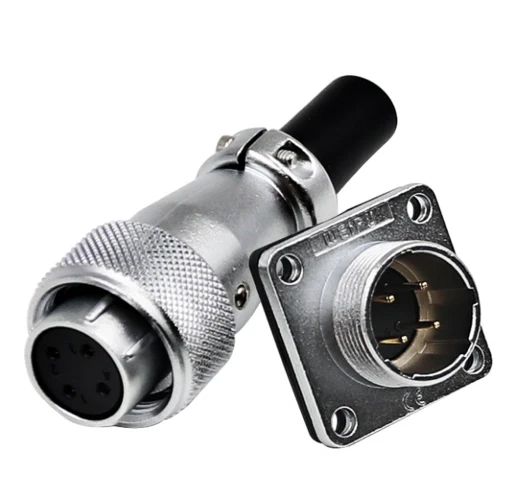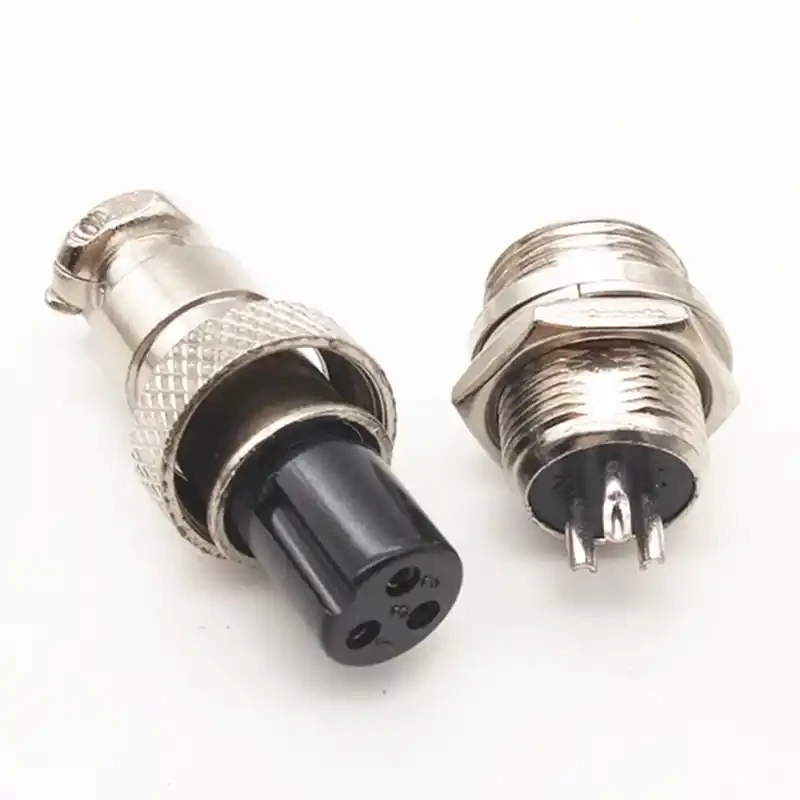
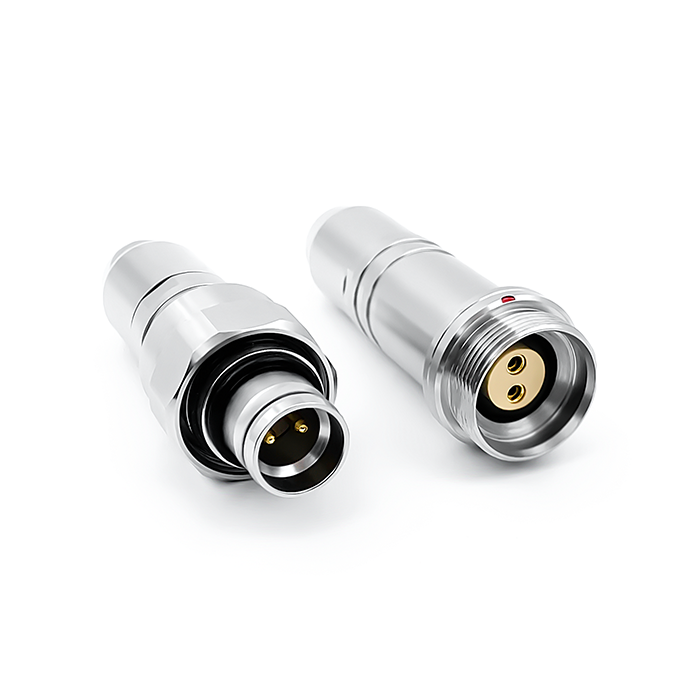
Aviation Connector
Engineered for aerospace equipment, industrial automation lines, and rail transit systems, it overcomes common pain points of traditional connectors—such as loosening and poor corrosion resistance. Offers customizable male/female pairings, pin counts, and interface types, backed by a dedicated selection team that provides end-to-end support from technical integration to after-sales service, ensuring more stable connections and efficient operations.
Product Details
1. Product Overview:
In aerospace and industrial automation—sectors demanding absolute connection stability—standard connectors often suffer signal interruptions or equipment failures due to vibration, moisture, and temperature fluctuations. Aviation connectors are engineered with military-grade reliability as the benchmark, ensuring seamless performance in harsh environments through rigorous control of materials, manufacturing processes, and testing protocols.
2. Key Benefits:
Material & CraftsmanshipThe housing is made from aerospace-grade aluminum alloy or stainless steel, treated with anodizing and passivation for corrosion resistance lasting over 10 years. Gold-plated contacts feature a thickness of ≥0.8μm, ensuring electrical resistance ≤5mΩ and reducing signal transmission loss by 30%.
Protective PerformanceIP67-rated waterproof and dustproof (submerged 1 meters for 30 minutes with no leakage); vibration resistance meets MIL-STD-202G standards (simulating aircraft takeoff and train operation environments).
CompatibilitySupports custom pin counts from 2 to 64. Interfaces include circular, rectangular, and push-pull types, compatible with mainstream industrial device protocols.
3. Use Cases:
AerospaceSatellite payload power supply; UAV flight control signal transmission
Industrial Automation: Power transmission for CNC machine tool spindles; signal interaction for robot joints.
Rail Transit: High-speed train car electrical connections; subway signal system redundancy backup;
Energy Sector: Wind turbine pitch system, DC-side connection of photovoltaic inverters.